
For landowners
Your land is the foundation of every project we build.
Lease or sell land in IL, IA, MO, or NY for community solar — and gain decades of predictable income without giving up the legacy you've built.
Why us
A small developer. A long-term commitment.
You'll know the people deciding.
Harvest is a small, founder-led team by design. The person who answers your first call is the same person guiding your project to construction.
The land comes first.
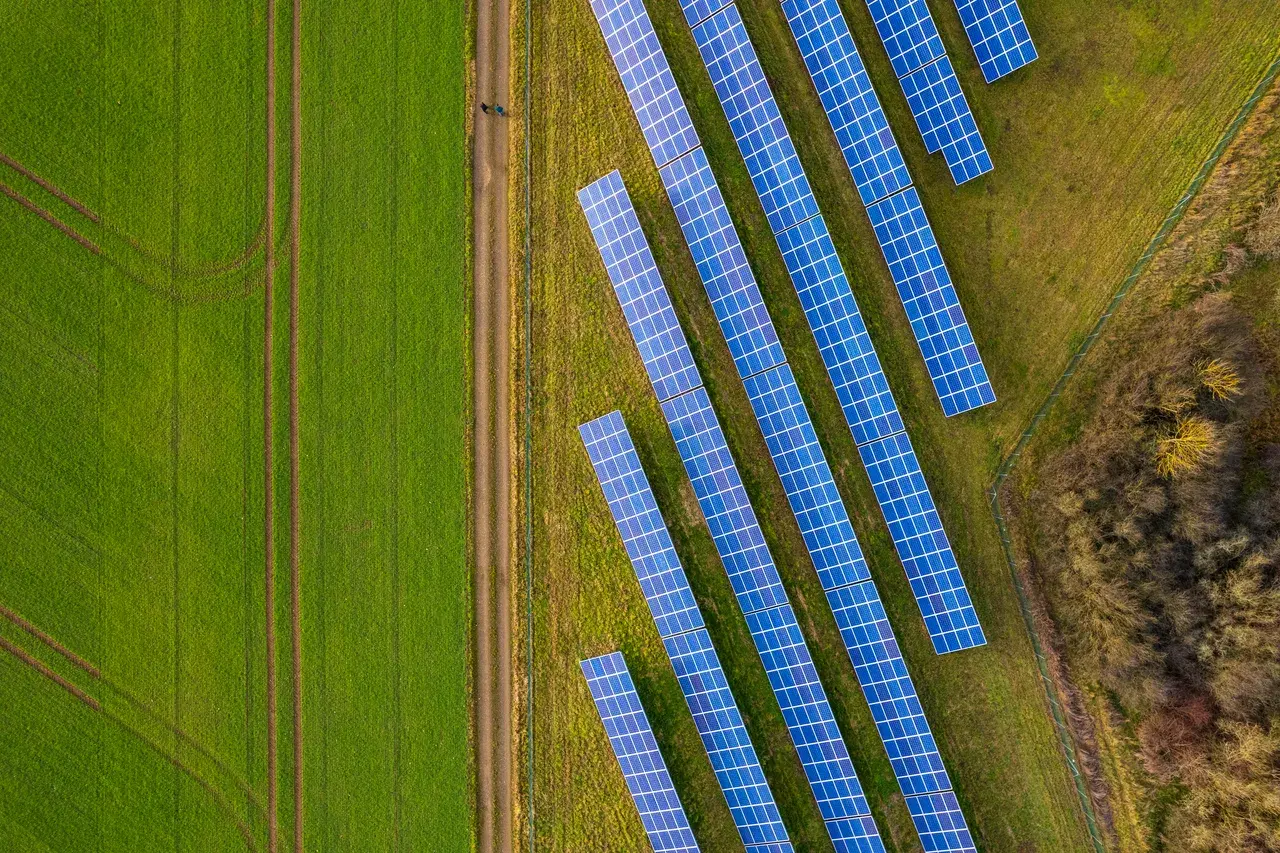
We design projects around your land — not the other way around. Where it makes sense, we incorporate pollinator habitat, sheep grazing, or other dual-use practices. We never pave.
Decommissioning is in writing.
Every lease includes binding terms for restoring the land at end of life. The next generation inherits the same ground you stewarded.
The economics
Steady income for 25 to 35 years.
Lease rates depend on acreage, location, proximity to interconnection, and project size. For a typical community solar project in our markets, landowners can expect annual lease payments that significantly exceed agricultural cash rents on the same acreage, paid every year for the life of the project.
We provide specific lease economics during the feasibility conversation. We don't quote a number until we've evaluated your specific land.
Every site is different. Lease rates, acreage requirements, and project fit depend on the specifics of your land and the local utility interconnection environment.
Site fit
Not every parcel is a fit. Here's what helps.
- Acreage. Most community solar projects need 30 to 60 contiguous acres of usable land. Smaller and larger sites can work depending on state program rules.
- Proximity to power lines. Sites within close range of a distribution or sub-transmission line are easier to interconnect.
- Open and relatively flat. Cleared agricultural land works best. Wooded sites can sometimes work with selective clearing.
- Outside floodplains and wetlands. We screen for environmental constraints early.
- Willing landowner. This matters as much as anything technical. We work best with landowners who want to be partners.
What to expect
Four steps, on your timeline.
Initial conversation.
We talk by phone or in person. No paperwork. We listen first — to understand your land, your goals, and your concerns.
Free feasibility check.
We evaluate your property against grid, regulatory, and environmental criteria. If the site doesn't qualify, we tell you honestly and the process ends there. You owe nothing.
Lease or purchase agreement.
If the site qualifies, we present terms in plain language. We strongly encourage you to have your own attorney review. Nothing is signed under pressure.
Development and construction.
Once the agreement is in place, we manage the 12 to 24 months of permitting and interconnection, followed by 6 to 9 months of construction. Your lease payments begin when the project starts producing power.
Questions
Frequently asked questions
Tell us about your land.
We respond to every inquiry within two business days. There's no obligation.